

The Wedding Timeline: How to Build a Day That Actually Feels Good
If there’s one thing couples underestimate when planning a wedding, it’s time.
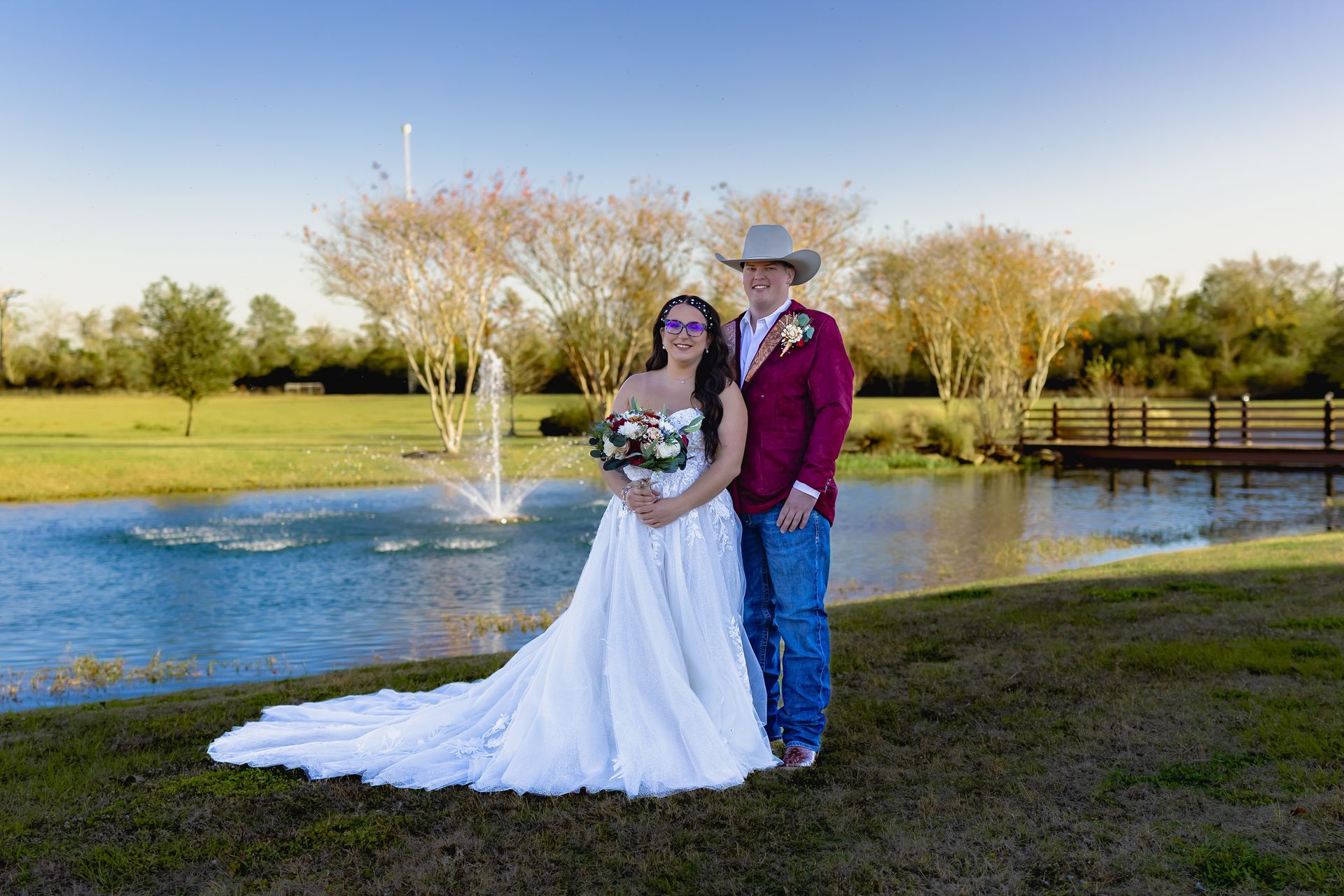
Not time as in “Do we have enough hours?”—but time as in breathing room. The kind that lets moments unfold naturally instead of feeling rushed, late, or stressed. A well-built wedding timeline doesn’t just keep things organized; it shapes how the entire day feels.
Here’s how to create a wedding-day timeline that’s realistic, flexible, and centered on what actually matters.
Start With the Non-Negotiables
Before you get lost in the details, anchor your timeline around the moments that cannot move:
- Ceremony start time
- Sunset (especially important for photos)
- Reception end time or venue curfew
Once these are locked in, everything else becomes easier to arrange around them.
Build the Day Backwards
Instead of starting at “getting ready,” work backwards from the ceremony.
If your ceremony begins at 4:30 p.m.:
- When do guests need to arrive?
- When should you be tucked away beforehand?
- How much time do you want for portraits before vs. after?
This approach prevents the most common timeline mistake: cramming too much into the hours right before the ceremony.
Pad Everything (Yes, Everything)
Hair runs late. Buttons break. Someone forgets the rings.
A good rule of thumb: add 10–15 minutes of buffer time to every major block of the day—especially getting ready, portraits, and travel. That cushion is the difference between calm and chaos.
Decide What You Want to Experience
Your timeline should reflect your priorities—not traditions you feel obligated to follow.
Ask yourselves:
- Do we want a first look or to see each other at the aisle?
- Do we want to attend cocktail hour?
- Is it important to have a slow, relaxed morning—or are we okay with an early start?
There’s no “right” version of a wedding day—only the one that fits you.
Think in Energy Levels, Not Just Hours
Your energy will change throughout the day. Plan accordingly.
- Mornings are great for quiet moments and details
- Early afternoon is ideal for portraits
- Post-ceremony is when adrenaline peaks
- Late evening is best for open dancing and looser timelines
Spacing events based on how you’ll feel—not just where they fit—makes the day flow naturally.
Trust Your Vendor Team
Your planner, photographer, and coordinator have seen hundreds of wedding days. Lean on that experience.
A strong vendor team will:
- Spot timeline issues before they happen
- Adjust on the fly without you ever noticing
- Keep the day moving while protecting your peace
A timeline isn’t meant to be rigid—it’s meant to support you.
Leave Room for the In-Between Moments
Some of the best parts of a wedding day are the unplanned ones:
- A quiet hug with a parent
- A deep breath alone before the ceremony
- Laughing with friends during golden hour
When your timeline has space, those moments get to exist.
A well-crafted wedding timeline doesn’t make the day feel scheduled—it makes it feel intentional. When time is handled thoughtfully, you’re free to be present, grounded, and fully in the moment.
And that’s what makes a wedding day unforgettable.
Ready to Plan Your Session?
Whether you’re planning a wedding, preparing for senior photos, or organizing a family session, I’m here to help guide you every step of the way. My approach is relaxed, intentional, and focused on creating images that feel natural, meaningful, and true to you.
Have questions after reading through The Journal? Reach out anytime — I’d love to help you plan a photography experience you’ll truly enjoy.